活動事例紹介




Community-Based General Medicine Activities: Rooted in the Region, Nurturing the Future of Healthcare
The healthcare system in Japan faces major challenges, including rapidly aging population and the uneven distribution of medical resources. Through the Department of General Medicine, Osaka Medical and Pharmaceutical University continuously dispatches physicians to underserved rural areas and provides practical education for future healthcare professionals. By working with local communities, engaging with residents’ daily lives, and learning alongside multiple professions, we contribute to the sustainability of regional healthcare.
Physician Dispatch to Support Regional Healthcare
In Kochi Prefecture, young physicians from the Department of General Medicine are dispatched to mountainous areas with aging populations and limited medical personnel, where they address a broad range of needs, including outpatient, inpatient and home-based care.
In Hyogo Prefecture, physicians are dispatched one to two days per week to three hospitals in the Naka-Harima and Nishi-Harima regions, according to each hospital’s needs. This includes support in general medicine as well as specialties such as orthopedic surgery, helping to maintain and strengthen essential medical operations in the region.
Learning in the Community: Developing the Next Generation
In fiscal year 2025, we continued community-based healthcare collaboration programmes. At Kanzaki General Hospital and in Kamikawa Town, Hyogo Prefecture, the Community Healthcare Experience Programme for High School and Medical Students brought together 20 high school students from schools including Hiroo Gakuen, Takatsuki, Hakuryo and Ikuno, together with eight OMPU medical students. Over three days and two nights, participants learned about healthcare in mountainous rural communities through lectures, interprofessional workshops, pediatric developmental support activities, and home rehabilitation and nursing visits.
At Motoyama Town Reihoku Central Hospital in Kochi Prefecture, the Interprofessional Community Healthcare Training Programme welcomed nine students — three each from Medicine, Pharmacy and Nursing Departments. Working in three teams, each assigned to one patient, students learned about collaboration among healthcare, long-term care, and welfare services, and the importance of team-based approaches to maintaining and improving patients’ quality of life. They also deepened their understanding of the roles of hospitals, clinics, community pharmacies, home nursing and welfare services.
These activities offer valuable learning opportunities for students while enabling host institutions and local residents to reaffirm the value of community healthcare through interaction with younger generations. The outcomes are shared widely through on-campus reporting sessions. Osaka Medical and Pharmaceutical University will continue to build on these community-based experiences to support regional healthcare and nurture the next generation of healthcare professionals.
Report on the Results and Evaluation of These Activities
For both the Hyogo and Kochi Prefecture programmes, a council meeting is held once a year, attended by university executives (including the Chairman of the Board, the President, the Hospital Director and deans of various faculties) and other relevant parties. At these meetings, we actively share information —including reports from each hospital and updates from the dispatched physicians — and conduct evaluations of the quality of the activities, as well as approve agenda items. Additionally, we publish an annual report booklet for both Hyogo and Kochi Prefectures.
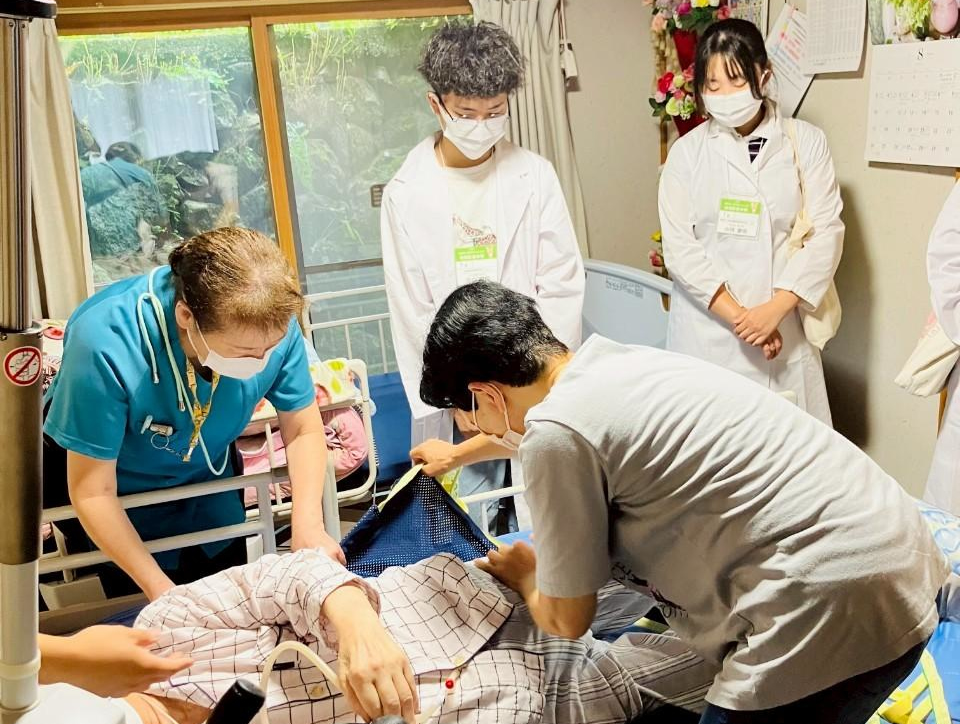
Visit of Patients' home in Kochi Prefecture
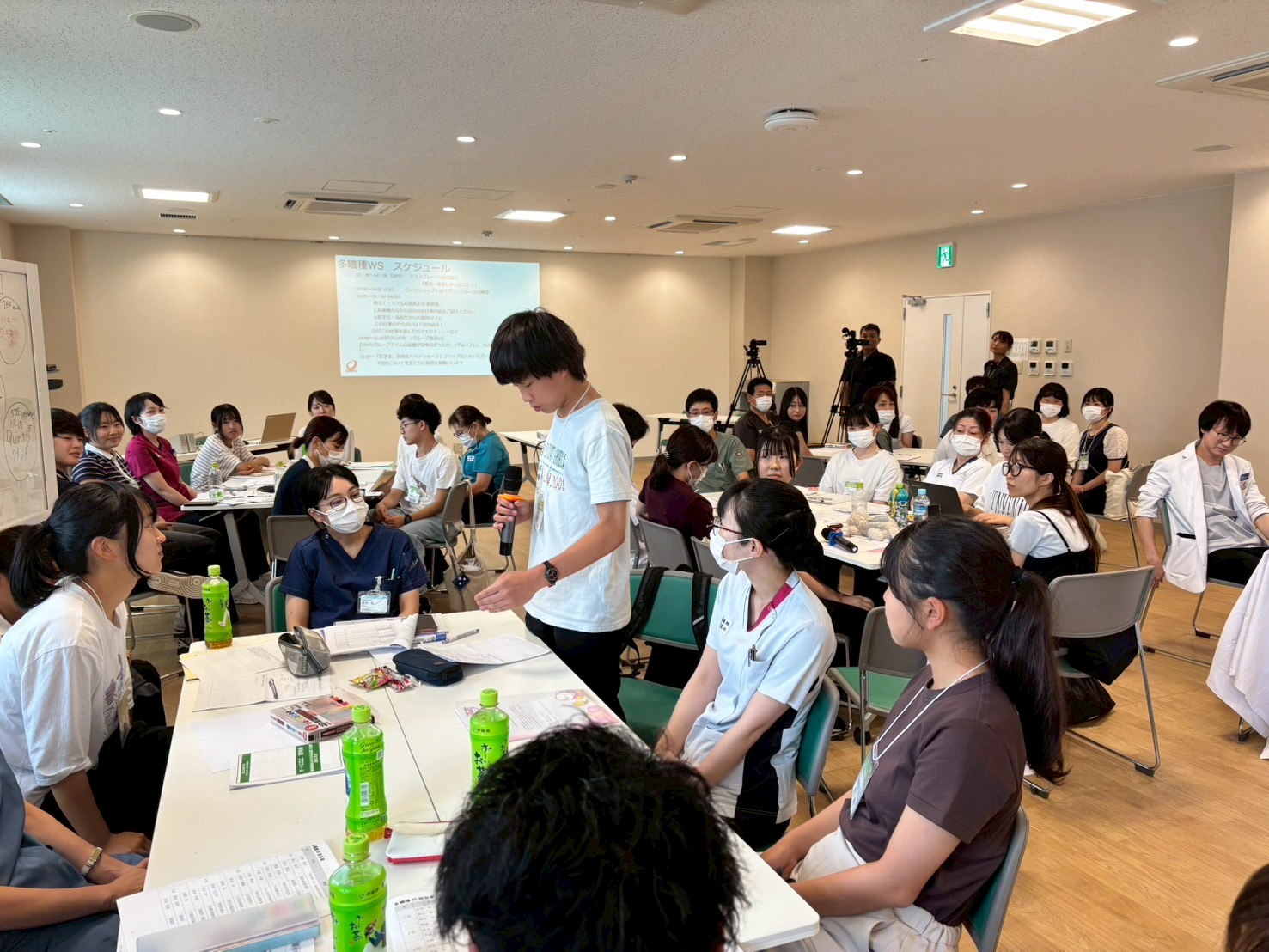
Group Presentation in Hyogo Prefecture
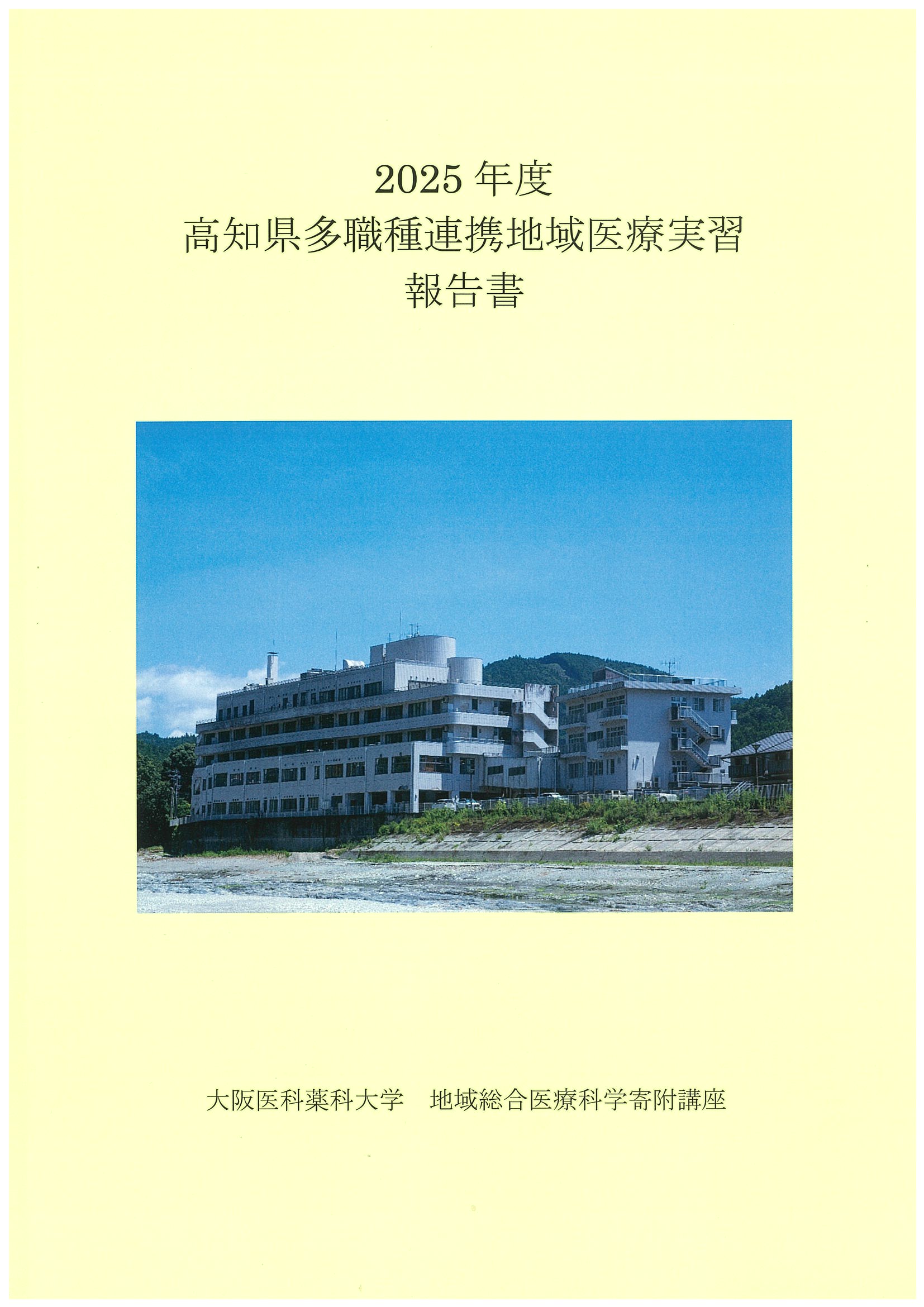
Cover of the Activity Report for Kochi Prefecture
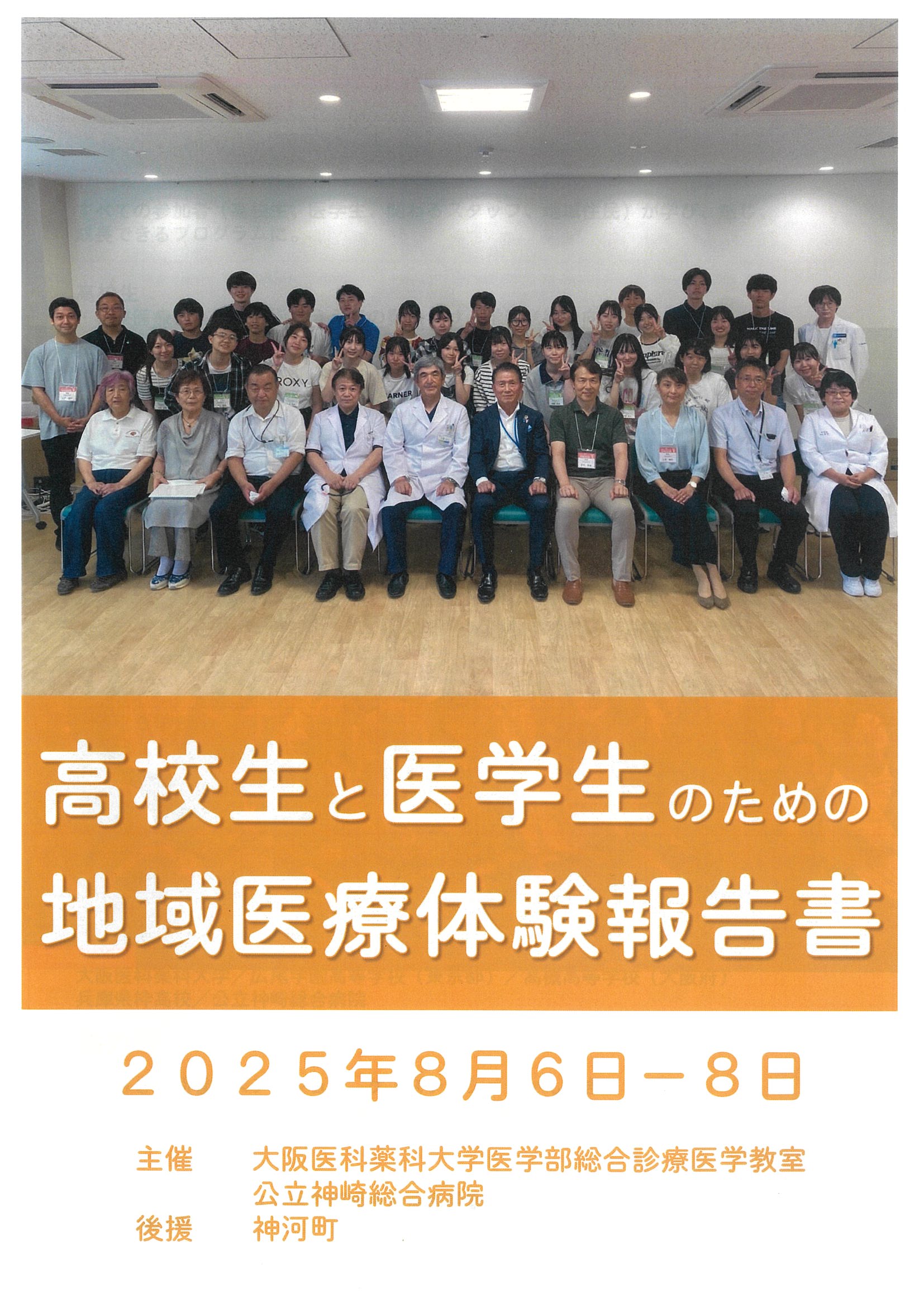
Cover of the Activity Report for Hyogo Prefecture